


FEATURE SERVICES
Our comprehensive curriculum
Our curriculum for careworkers is practical, covering everything from understanding neurodiversity to hands-on strategies for daily support. Each module is designed around real caregiving scenarios, so you build skills you can apply immediately
PLAIN LANGUAGE
No Jargon


This course explains autism and neurodiversity in clear, everyday language. No clinical background needed.
BUILT FOR
Caregiving

Every module is designed around real situations you face on shift—personal care, communication and difficult moments.
RESPECT
At the center

This training focuses on understanding and respecting autistic patients—not managing or fixing them.

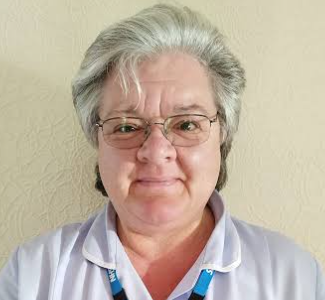
“I used to think I was being patient, but I didn’t realize how much I was still rushing people. This course helped me slow down.”
Naomi Harris
STUDENT

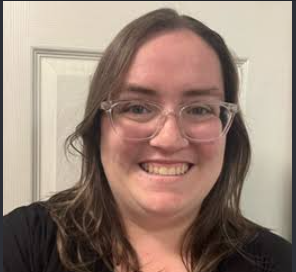
“The modules were easy to follow and didn’t take weeks to get through. I loved that it focuses on understanding and respecting autistic patients instead of just managing them”
Alison Brown
STUDENT
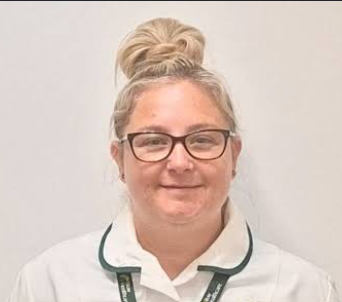
“I’ve worked in care for over a decade and learned more in this course than in any mandatory training.”
George Smith
STUDENT
REVIEWS & FAQs
Our faqs & reviews from the genuine clients..
Vulputate semper mollit sociosqu modi fringilla alias. Totam dis aute tempor rhoncus, officia! Scelerisque, consectetuer. Volutpat aliqua.
This course is built specifically for careworkers and direct support professionals who provide day-to-day care for autistic patients. It’s also suitable for caregivers, support staff, nurses, and anyone in a hands-on caring role. No prior training in neurodiversity or autism is required.
The course includes 6 short modules and takes approximately 10–15 hours to complete. It is fully self-paced, so you can work through it around your shifts and complete it on your own schedule
No. This course does not teach diagnosis or treatment, and it does not treat autism as something to be fixed. Instead, it teaches you how to understand autistic patients, adapt your care, reduce distress, and build trust. The focus is on practical, respectful support—not clinical diagnosis.
After completing the course, you will be able to recognize sensory and communication needs, understand behavior as communication, adapt daily care tasks to reduce distress, respect consent and autonomy during personal care, and know when to observe, document, and report changes to a supervisor or clinician.